
Transform Your Performance with Nutrition Science
Discover evidence-based nutritional strategies designed to optimize energy, stamina, strength, and overall vitality for men. Our comprehensive guide explores how the right foods and nutrients can enhance physical performance and daily well-being.
The information on this site is for educational purposes only and does not constitute medical advice. Always consult a qualified healthcare professional before making health decisions.
Why Nutrition Matters for Men's Health
Proper nutrition is the foundation of sustained performance, whether in athletics, work, or everyday life. Men's bodies have unique nutritional demands that, when met correctly, can dramatically improve energy levels, muscle development, endurance, and mental clarity. The foods you consume directly influence hormone production, cardiovascular health, and recovery capacity.
A science-backed approach to nutrition doesn't require extreme diets or complicated protocols. Instead, it focuses on understanding key macronutrients and micronutrients that support male physiology, combined with practical meal strategies that fit real-world schedules and preferences.
This guide explores the nutrients that matter most, the foods that deliver them, and how to build sustainable eating habits that compound into measurable improvements in performance, strength, and vitality.

Essential Nutrients for Peak Performance
Learn about the key vitamins, minerals, and macronutrients that support male health and performance. Each plays a critical role in energy production, muscle development, hormonal balance, and cognitive function.
Protein
Essential for muscle repair and growth, protein is crucial for men pursuing performance gains. Quality sources include lean meats, fish, eggs, legumes, and Greek yogurt. Daily intake should align with activity level and fitness goals.
Carbohydrates
The body's primary fuel source, complex carbohydrates provide sustained energy for workouts and daily activities. Focus on whole grains, oats, sweet potatoes, and vegetables rather than refined sugars.
Healthy Fats
Omega-3 and omega-6 fatty acids support cardiovascular health, brain function, and hormone production. Include fatty fish, nuts, seeds, avocados, and olive oil in your regular diet.
Vitamins
B vitamins support energy metabolism, while vitamins D, E, and C contribute to immunity and antioxidant protection. A varied diet with colorful vegetables and fruits ensures adequate vitamin intake.
Minerals
Magnesium, zinc, iron, and calcium are vital for muscle function, bone health, and oxygen transport. Sources include nuts, seeds, legumes, dairy, and leafy greens.
Hydration
Proper fluid intake is fundamental to all bodily functions, including temperature regulation and nutrient transport. Aim for consistent daily hydration, adjusting for activity and climate.
Top Performance-Boosting Foods
Discover the specific foods that support men's performance. Each of these choices has been selected for its nutrient density and proven benefits for energy, strength, and recovery.

Salmon
Rich in omega-3 fatty acids and high-quality protein, salmon supports heart health, reduces inflammation, and aids muscle recovery. Aim for 2-3 servings weekly.

Eggs
A complete protein containing all essential amino acids, eggs also provide choline for cognitive function and lutein for eye health. Versatile and affordable.

Chicken Breast
Lean, affordable protein source that supports muscle growth without excess calories. Easy to prepare and compatible with most diet plans.

Sweet Potatoes
Complex carbohydrates with high fiber content, sweet potatoes provide sustained energy, support gut health, and contain vitamins A and C for immunity.
Broccoli
Cruciferous vegetable packed with vitamins, minerals, and compounds that support hormonal health. Low in calories, high in nutrients and fiber.

Almonds
Nutrient-dense nuts providing healthy fats, protein, and magnesium for muscle function. Perfect for snacking or adding to meals.

Greek Yogurt
High protein content with probiotics for digestive health. Use plain varieties and add your own fruits and nuts for a balanced snack.
Berries
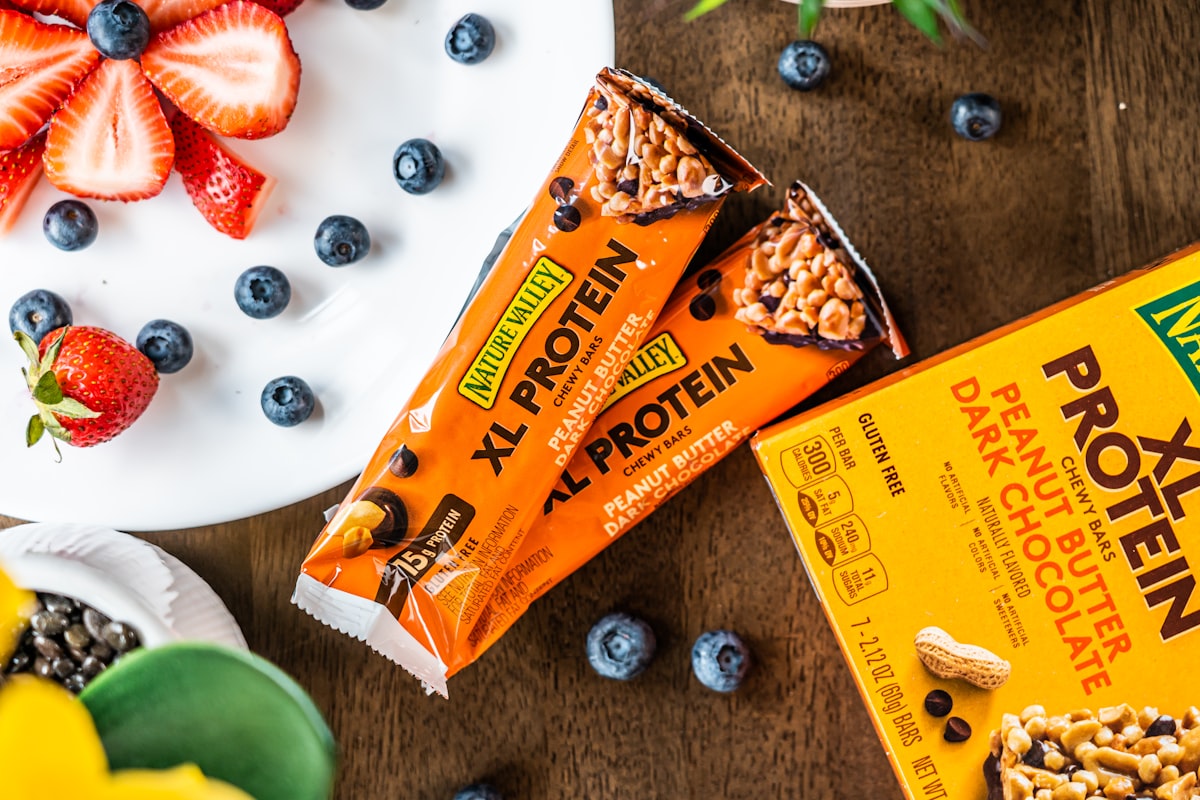
Packed with antioxidants that combat oxidative stress from intense exercise, berries support recovery and cognitive function.
Brown Rice
Whole grain providing B vitamins, fiber, and sustained energy. Excellent base for balanced meals with protein and vegetables.
Real Results from Our Readers
Men from across Indonesia share how evidence-based nutrition guidance has transformed their energy, strength, and overall performance.
"I've been following the nutrition guide for eight weeks now, and the difference in my energy levels during workouts is remarkable. The practical advice about protein timing and carbohydrate intake has helped me recover faster and build muscle more consistently. No confusing theories—just solid, actionable nutrition science."
Dimas PrasetyoJakarta
"As someone who travels frequently for work, I needed nutrition guidance that fits a real-world schedule. This guide provided exactly that. The food recommendations are accessible in Indonesia, the strategies are flexible, and I've seen improvements in my strength and mental clarity within just a few weeks."
Budi HartonoSurabaya
"What impressed me most was the scientific approach. Every recommendation is backed by evidence, not marketing hype. I've implemented the hydration strategy and nutrient timing advice, and my endurance has noticeably improved. This is the most practical nutrition resource I've found."
Rinto WijayaBandung
"I started reading this guide to improve my gym performance, but the benefits extended far beyond that. Better sleep, improved focus at work, and sustained energy throughout the day. The information is clear, the recommendations are realistic, and most importantly, they actually work."
Hendra KusumaMedan
Common Questions About Male Nutrition
Find clear answers to frequently asked questions about nutrition for performance, recovery, and overall men's health.
Protein requirements depend on your activity level and fitness goals. Generally, men should aim for 0.8 grams per kilogram of body weight for basic maintenance. For those engaging in strength training or seeking muscle development, 1.6–2.2 grams per kilogram is more appropriate. This can be achieved through a combination of animal sources (meat, fish, eggs, dairy) and plant-based options (legumes, nuts, seeds). Spreading protein intake throughout the day supports muscle protein synthesis more effectively than consuming it all at once.
Yes, absolutely. Plant-based diets can support excellent performance when properly planned. Key is ensuring complete amino acid intake through diverse plant sources like lentils, chickpeas, tofu, tempeh, nuts, and seeds. Include sufficient carbohydrates from whole grains and tubers for energy, and pay attention to micronutrients like iron (found in leafy greens and legumes) and vitamin B12 (fortified foods or supplementation). Many elite athletes follow plant-based diets successfully by focusing on nutrient density and variety.
Nutrient timing can enhance performance and recovery. Consume a meal containing carbohydrates and protein 2–3 hours before exercise for sustained energy. For shorter pre-workout meals, eat 30–60 minutes before, focusing on easily digestible carbs and a small amount of protein. Post-workout, consume carbohydrates and protein within 1–2 hours to support muscle repair and glycogen replenishment. However, overall daily nutrition consistency matters more than precise timing; the timing strategy works best when total nutrition is optimized.
A common guideline is eight 8-ounce glasses per day, but individual needs vary based on activity level, climate, and body size. A more personalized approach: drink enough to maintain light yellow urine color. During and after exercise, replace 150% of fluid lost through sweat over 4–6 hours. For intense activity lasting over an hour, include electrolytes (sodium and potassium) to enhance absorption and maintain performance. Monitor your hydration status and adjust based on thirst and performance outcomes.
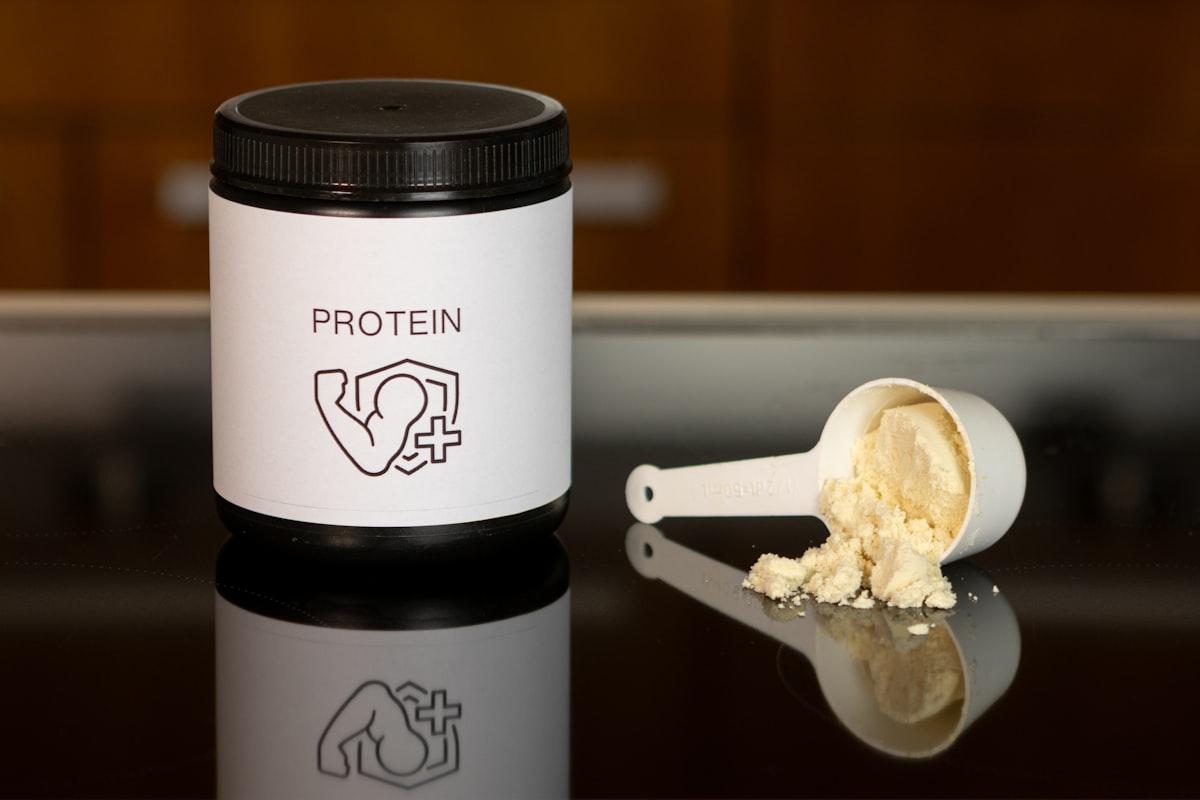
A well-planned whole-food diet should provide most nutrients needed for performance. However, certain supplements may be beneficial in specific cases: creatine monohydrate for strength training, beta-alanine for high-intensity exercise, and vitamin D if sunlight exposure is limited. Protein powder can aid convenience but isn't essential. Before adding supplements, ensure your whole-food nutrition is optimized. Consult with a nutritionist to identify any specific deficiencies. Quality matters—choose reputable brands that undergo third-party testing.
Explore Our Content
Discover comprehensive articles on nutrition strategies, performance optimization, and men's health topics curated by our editorial team.
Nutrition Tips
Evidence-based strategies for meal planning, nutrient timing, and sustainable dietary habits that support your performance goals.
Learn morePerformance Foods
Detailed breakdowns of specific foods that support energy, muscle development, recovery, and cardiovascular health for men.
Browse foodsEditorial Standards
Learn about our commitment to evidence-based content, editorial integrity, and important disclaimer information about our resources.
Review standardsStart Your Performance Journey Today
Access science-backed nutrition guidance designed specifically for men's performance. Explore our comprehensive articles, discover practical strategies, and learn how proper nutrition can transform your energy, strength, and overall vitality.